
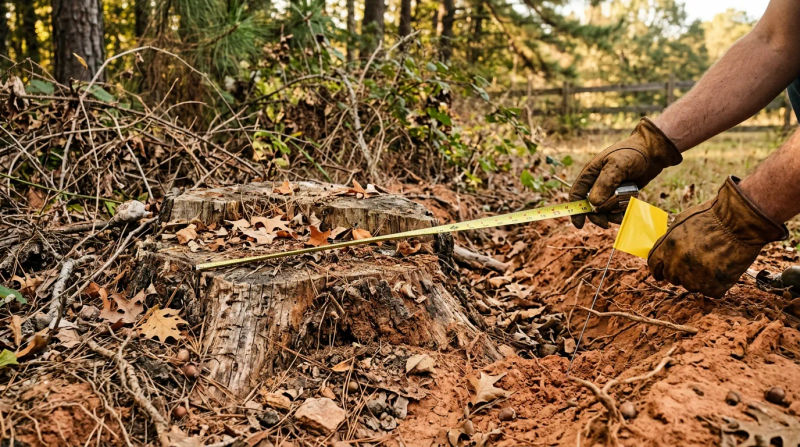
As a lawn care technician with over a decade of experience here in the Sandersville area, I’ve seen how quickly a neat yard can turn into an unruly jungle. It often starts subtly. You’re looking out your window one October afternoon, enjoying the slightly cooler air, and you notice that the back corner of your property seems… closer. The clean line where your lawn met the woods is now fuzzy, and what used to be tall grass now looks a lot more like a thicket. You might even wonder if your regular lawn mower can even handle it anymore.
This is a common scenario in Riddleville, especially this time of year. Our hot, humid summers are perfect for explosive growth, and before you know it, you’re dealing with more than just grass. October is the perfect time to take stock of your property. The growth of aggressive vines and weeds is finally slowing down, and before all the leaves fall and hide potential hazards, you have a clear view of what you’re really up against. Recognizing the difference between a lawn that needs a good mow and a lot that needs serious clearing is the first step to reclaiming your space.
Common Signs and Symptoms
So, how do you know when you’ve crossed the line from standard lawn maintenance into land-clearing territory? Based on what my team and I see every week, here are some of the most common land clearing signs to watch for. This simple briars and saplings yard checklist can help you assess your own property.
- Your Mower Is No Match: This is the most immediate sign. You push your mower toward an overgrown area and hear the sickening thud of the blades hitting something woody. Or perhaps you know better than to even try. If the growth includes woody stems thicker than a pencil, you’re firmly in the mowing vs land clearing Riddleville debate, and clearing is the answer. Standard residential mowers are designed for grass, not for shredding saplings and tough vines.
- Saplings Are Popping Up: Look closely at that overgrown patch. Do you see small trees? A good rule of thumb is if it's thicker than your thumb, it’s no longer a weed - it’s a young tree. In our area, volunteer pines, sweetgums, and other fast-growers can take root and shoot up in a single season. Once they’re established, they are incredibly difficult to remove without specialized equipment.
- Vines and Briars Have Formed a Mat: Thorny briars and aggressive vines can create dense, tangled mats that choke out all other vegetation. They creep along the ground and climb up fences and trees, making areas completely impassable. This is one of the most frequent overgrown lot warning signs Riddleville homeowners face, as these thickets are also prime habitats for snakes and other pests.
- You're Losing Usable Yard Space: Many homes in the Riddleville area, particularly the classic 1950s brick ranch homes, were built on generous lots meant for outdoor living. If you find that the area where your kids used to play or the path to your garden shed is now a jungle, that’s a clear sign you need to reclaim your property. The slow creep of nature can steal dozens of square feet from your yard each year if left unchecked.
- An Increase in Pests: Overgrown lots are five-star hotels for unwanted critters. The dense cover provides a perfect habitat for rodents, snakes, ticks, and mosquitoes. If you’re noticing more of these pests around your home, a nearby overgrown area is often the source. Clearing out this brush removes their shelter and makes your property less inviting.
- Property Lines Are Disappearing: Can you still see your back fence? Do you know exactly where your property ends and your neighbor’s begins? Overgrowth can quickly obscure fences and property markers, creating confusion and a neglected appearance. Maintaining clear boundaries is an important part of being a good neighbor and protecting your investment.
- Hidden Hazards Underneath: What you can't see can hurt you. That tangled mess of weeds and vines could be hiding old stumps, fallen branches, uneven ground, or discarded debris. These hazards make the area unsafe to walk through and impossible to maintain. Clearing the overgrowth is the only way to reveal and address these underlying issues.
What Causes This Problem
Understanding why your lot became so overgrown can help you prevent it from happening again. In my experience, it’s usually a combination of a few factors specific to our Georgia climate and environment.
First and foremost is our weather. The long, hot, and humid growing season provides ideal conditions for aggressive plants. With ample rain and sun, species like privet, kudzu, and wild blackberry can grow several inches a day. An area left un-mowed for just a few weeks can quickly get out of hand.
Second is the proximity to wooded areas. Many properties in Riddleville back up to natural forests or unmanaged land. These areas act as a constant source of seeds, which are spread by wind, birds, and other animals. This is why you often see “volunteer” saplings sprouting along the edges of a maintained lawn - they are the first pioneers in the forest’s attempt to reclaim the space.
Finally, some properties, especially the older ones with large lots from the 1950s, may have sections that have been historically difficult to maintain. A steep ditch, a low-lying wet spot, or the far back corner behind a carport can easily become neglected. Once neglect sets in for a season or two, nature takes over with surprising speed, and what was once a simple maintenance task becomes a major restoration project.
When to Call a Professional
Once you’ve identified the problem, the next question is whether you can tackle it yourself. While the DIY spirit is admirable, safety and efficiency are paramount.
You can likely handle the job yourself if the overgrowth consists mainly of tall grass and soft-stemmed weeds that can be managed with a heavy-duty string trimmer. If there are only a few small saplings (thinner than your thumb) that you can pull out by hand or with a small shovel, you may be able to make progress on your own.
However, it's time to call for experienced professionals when you encounter any of the following:
- Woody Growth: If you’re dealing with numerous saplings, shrubs, or trees with trunks more than an inch or two in diameter, you’ll need more than just homeowner-grade tools. Professionals use commercial-grade equipment like brush hogs or forestry mulchers that can safely and efficiently turn dense brush into mulch.
- Dangerous Plants or Pests: If the area is thick with poison ivy, poison oak, or thorny briars, it’s best to let a protected and experienced crew handle it. The same goes for areas where you suspect snakes or other potentially dangerous wildlife may be hiding.
- The Scale of the Job: Be realistic about the time and physical effort required. An area that looks like a weekend project can often turn into a multi-week, back-breaking ordeal. A professional team can often clear in a few hours what would take a homeowner several days to accomplish.
- Steep or Uneven Terrain: Operating equipment on slopes or in areas with hidden ruts and stumps is extremely dangerous. Trained operators with the right machinery can navigate these challenges safely.
Conclusion
Reclaiming an overgrown part of your yard is one of the most satisfying projects you can undertake. It not only improves your property’s appearance and value but also enhances its safety and usability. By paying attention to the early overgrown lot warning signs Riddleville yards often show, you can stay ahead of the problem. Remember the key differences between a simple mowing job and a project that requires true land clearing.
This time of year offers a great window of opportunity to assess your property and take action. Don't wait for the problem to get bigger and more expensive to solve. Addressing it now will give you a clean slate for the spring and allow you to enjoy your entire property to its fullest potential.
If you notice any of these signs in your yard, contact a local lawn care service for an inspection. An experienced professional can help you evaluate the scope of the job and recommend the safest, most effective solution.